 Kimchi
 Korea SIM Card Comparison for Foreigners: Carriers vs MVNOs vs eSIM
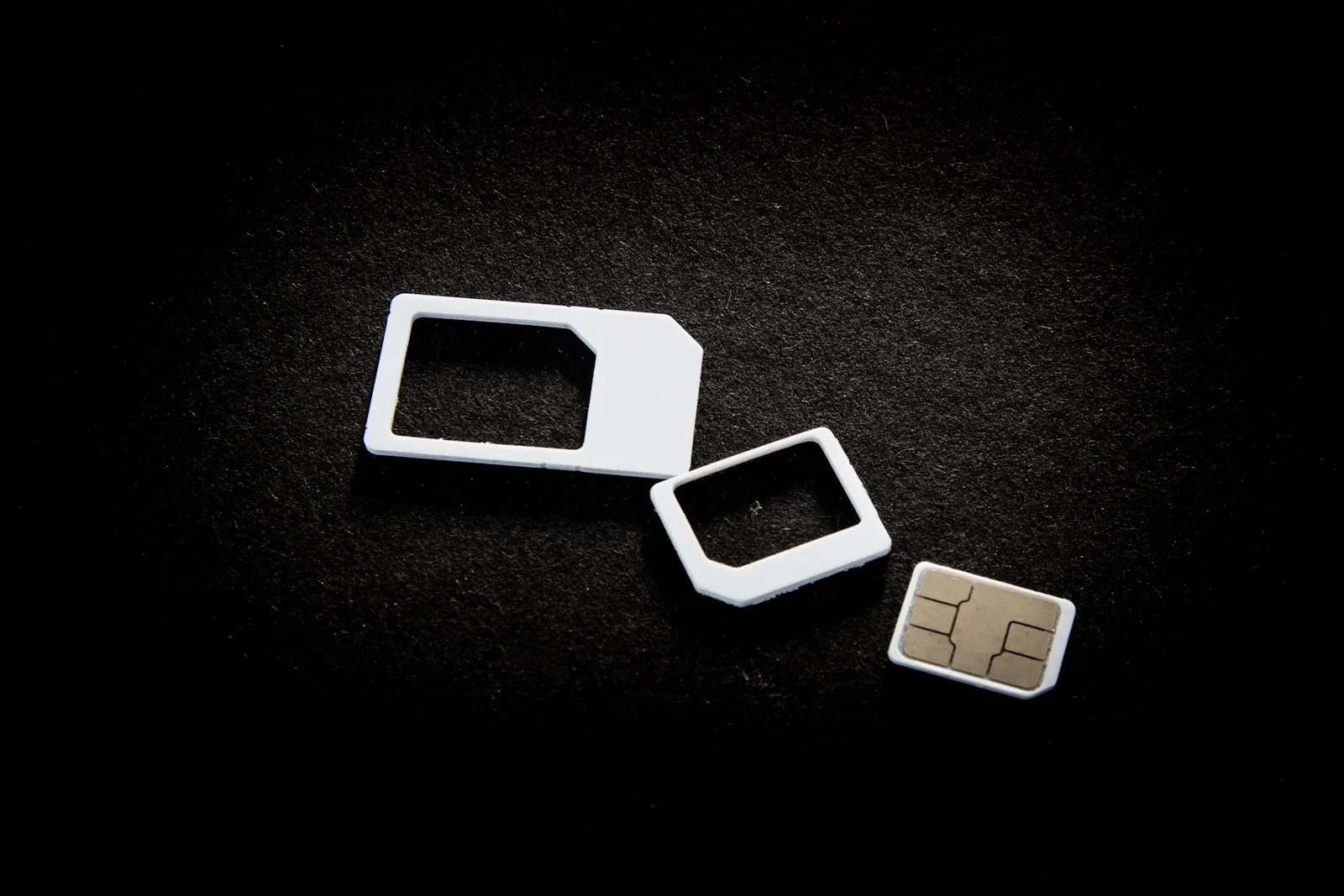
The best Korea SIM for a foreigner depends on one question: do you just need data, or a real Korean number? For a short trip, a data eSIM wins on speed and price. For a few months as a student, a cheap prepaid MVNO like Chingu or Woori gives you data and a basic number. For a long stay where banking and identity checks matter, you need a postpaid line on your ARC, which a bridge SIM sets up cleanly. This guide compares every option by who you are, not by who is paying for the ad.
Last updated: June 2026. General information, not legal or banking advice. Prices and plans change, so confirm current details with each provider. Confirm immigration rules with HiKorea / the 1345 helpline.
What are the real options for a Korea SIM as a foreigner?
There are five practical routes, and they split by whether you get a real Korean 010 number and how verified that number is. A data eSIM is fastest but has no number; carrier and MVNO prepaid SIMs give you data and a passport-based number; a postpaid line on your ARC gives you the fully verified number that Korean banks and identity checks expect. For the full sequence behind these choices, see our pillar guide on the Korea SIM card for foreigners.
| Option | Real 010 number? | Best for | How you get it | English |
|---|---|---|---|---|
| Data eSIM (Airalo, Holafly, Kimchi data eSIM) | No | Trips, instant data on arrival | Online, QR by email | Yes |
| Carrier prepaid (KT / SKT / LG U+) | Prepaid number | Easy airport setup, brand trust | Airport / carrier store | Yes |
| MVNO prepaid (Chingu, Woori, Link) | Prepaid number | Cheap mid-term data and calls | Airport / store / delivery | Varies |
| Bridge SIM (Kimchi Welcome / Starter) | Yes, after ARC | Long stay needing a real number | Online, data now then postpaid | Yes |
| KT postpaid (direct) | Yes | Settled residents with an ARC | Carrier store | Yes |
Which SIM is cheapest for a tourist?
For a trip, a data eSIM is usually the cheapest and easiest: you buy it online, it activates when you land, and there is no number to set up. You do not need a Korean number to use maps, translation, ride-hailing, or messaging apps, and KakaoTalk works on your home number. If your phone is not eSIM-capable, a prepaid physical SIM picked up at Incheon does the same job. We cover the eSIM-specific options in the best Korea eSIM comparison, and the airport-versus-online trade-off in buying at Incheon Airport.
What about Chingu, Woori, and other MVNOs?
For a few months in Korea on a budget, a prepaid MVNO is often the best value, and these are genuinely good services. Chingu Mobile sells prepaid voice-and-data plans in 14, 60, and 90-day terms with airport pickup, store pickup, or delivery, which makes it popular with students and mid-term stayers. Woori Mobile offers unlimited-LTE prepaid with easy Incheon Airport pickup at a competitive price. Link Korea’s prepaid plans run fast LTE, though you generally have to collect the SIM at their office on a weekday.
The honest catch is the number type. These are prepaid SIMs activated on a passport, so the number you get is a prepaid number, not a postpaid line tied to your Alien Registration Card. That is perfect for calls, texts, and data, but a passport-based prepaid number often does not pass Korea’s identity check (본인확인) for banking and fintech, which expects a postpaid line registered to your ARC. If you are staying short or mid-term and mainly want cheap data, an MVNO prepaid SIM is a smart pick. If you are settling in and need a bank account and verified apps, plan to move to postpaid. Our guide to Korea MVNOs for foreigners goes deeper on the budget-carrier landscape.
Which SIM gives a real Korean number for banking?
A fully verified Korean 010 number comes from a postpaid (후불) line on your physical ARC, not from any prepaid SIM. On arrival you get data only; the verified number is issued once you hold your ARC, which usually takes a few weeks, and convert to a postpaid plan. The cleanest path for a long-stay arrival is a bridge SIM that runs data now and converts to a KT postpaid number once your card and a Korean bank account are ready, on one product instead of two.
| Bridge plan | On arrival | Real 010 number? | Built for |
|---|---|---|---|
| Kimchi Welcome SIM | 60-day 60GB data eSIM | Yes, after ARC | Korvia teachers only (came to Korea via Korvia) |
| Korea Starter SIM | 60-day 60GB data eSIM | Yes, after ARC | Standard option — anyone, 12+ month stays |
Coming September 2026: direct KT postpaid activation. If you already hold your physical ARC, you will soon be able to activate a KT postpaid line directly, with no prepaid step. Because the line is registered to your ARC, you can also port an existing Korean number to it (번호이동), and a 12-month contract comes with a rate discount (약정할인). This direct option is planned to launch from September 2026; until then, the bridge plans above are the route for new arrivals.
This is where a bridge beats a plain prepaid SIM for residents: you start connected on day one and your verified number lands at the right time, without buying a throwaway SIM first. The mechanics are in our guide on switching from prepaid to postpaid in Korea. Once you are settled, you can switch to a budget 알뜰폰 plan to cut the bill and keep your number through Korean number portability (번호이동).[1]
How do I choose? A quick decision guide
Match the SIM to your stay and what you actually need it to do.
- Short trip (under 90 days): a data eSIM, or a prepaid SIM at the airport if your phone has no eSIM. No number needed.
- Few months, budget-focused (student, working holiday): a prepaid MVNO like Chingu or Woori for cheap data and a basic number.
- Long stay, need banking and verified apps (teacher, E/D/F visa): start on data, then a postpaid number on your ARC, which a bridge SIM sets up on one product.
- Already settled with an ARC: a direct KT postpaid plan, or a budget 알뜰폰 plan once your line and apps are stable.
Verify it yourself (official sources)
Plans and rules change, so check primary sources before you commit. For mobile subscription and identity-verification policy, the Ministry of Science and ICT (MSIT) is the regulator. For alien registration and the ARC, use the HiKorea portal (1345 inside Korea). For budget plans and number portability, see the government-backed 알뜰폰Hub. Each provider’s own site has its current prices and pickup details.
Frequently asked questions
What is the best SIM card in Korea for foreigners?
There is no single best; it depends on your stay. A data eSIM is best for trips, a prepaid MVNO like Chingu or Woori is best value for a few months, and a postpaid line on your ARC (set up via a bridge SIM) is best for long-stay residents who need a verified number for banking.
Is Chingu Mobile or Kimchi Mobile better?
They fit different needs. Chingu Mobile is a strong, affordable prepaid MVNO for mid-term data and calls. Kimchi Mobile’s bridge SIM is built for long-stay residents who need to convert to a real KT postpaid 010 number after their ARC. If you only want cheap data for a few months, a prepaid MVNO is great; if you are settling in and need a verified number, a bridge to postpaid fits better.
What is the cheapest SIM card in Korea?
For data only, a prepaid data eSIM is usually cheapest for short stays. For longer stays, prepaid MVNO (알뜰폰) plans are the cheapest monthly option once you are settled, though exact prices change with promotions, so check 알뜰폰Hub (mvnohub.kr) for current rates.
Do prepaid SIM numbers work for Korean banking?
Often not. A passport-based prepaid number is fine for calls, texts, and data, but Korean banks and identity verification (본인확인) generally expect a postpaid line registered to your ARC. For banking and verified apps, plan to move to a postpaid number.
Can I keep my number if I switch providers?
Yes. Korea supports number portability (번호이동), so you can carry your existing 010 number to another carrier or an 알뜰폰 plan. If you are inside a 12-month postpaid contract with a discount, check whether an early-termination charge applies first.
The short answer
Pick by your stay, not by the loudest ad. Tourists win with a data eSIM, mid-term budget stayers win with a prepaid MVNO like Chingu or Woori, and long-stay residents win with a postpaid number on their ARC. If you are moving to Korea long term and want the number to land at the right time without juggling two SIMs, start on data with a bridge plan like the Korea Starter SIM and convert to KT postpaid once your ARC and bank account are ready. Not sure which fits your visa? Ask before you buy.